May 29, 2026
Tokens, dataspaces and digital twins: towards a new way of sharing territorial data
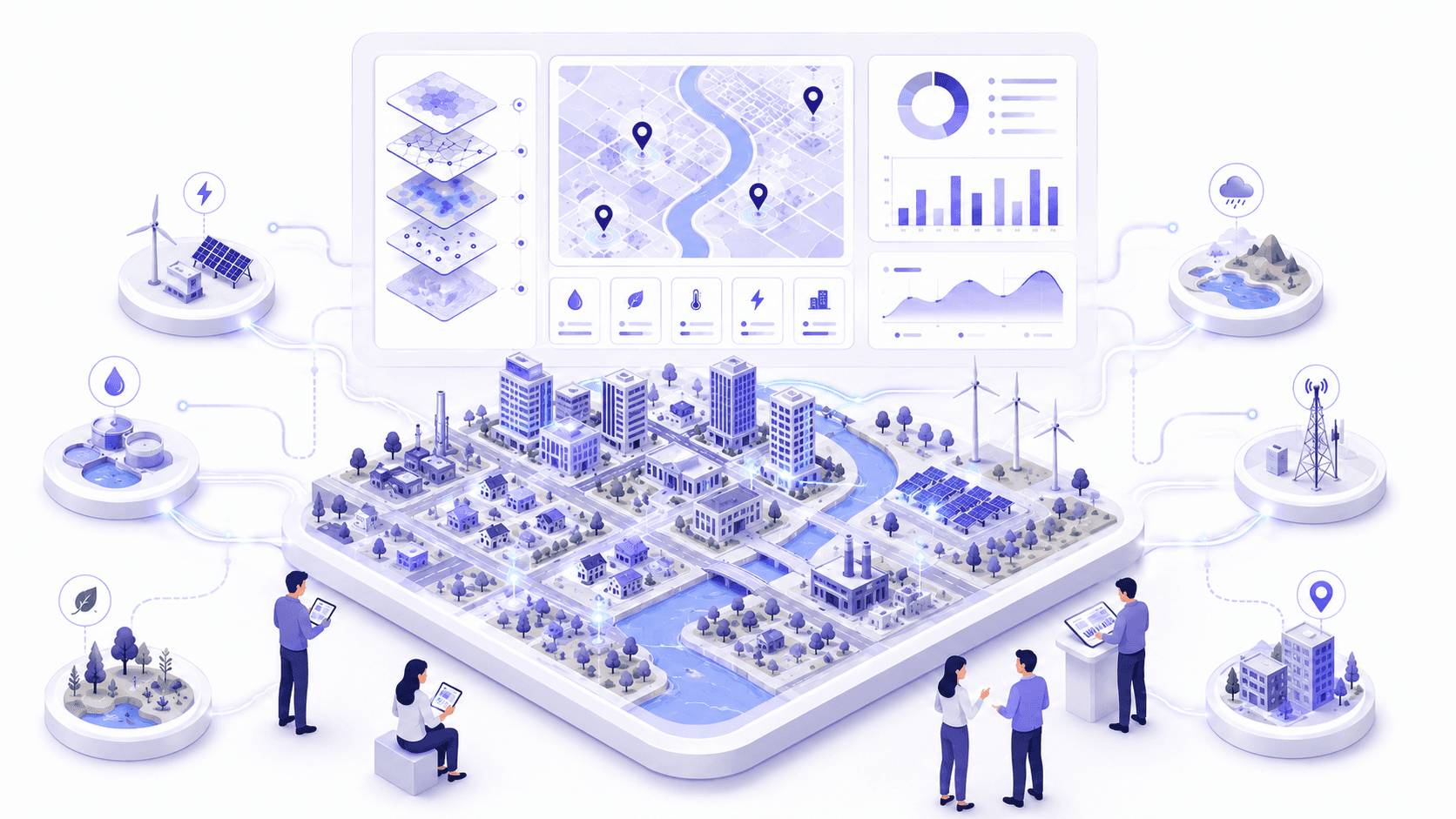
The ecological, energy, and climate transition increasingly relies on a central resource: data. Cadastral data, energy consumption, photovoltaic production, networks, climate risks, biodiversity, mobility, land use, built heritage... all these elements already exist, but too often they remain scattered across different actors, tools, and formats.
However, the ability to cross-reference this data is becoming essential to better understand a territory, objectify vulnerabilities, prioritize investments, and guide transformation paths. It is in this context that dataspaces, tokens, and digital twins are gaining importance.
Behind these sometimes technical terms lies a simple idea: allowing multiple actors to share data within a controlled, traceable, and secure framework, without losing control over what is transmitted, used, or valued.
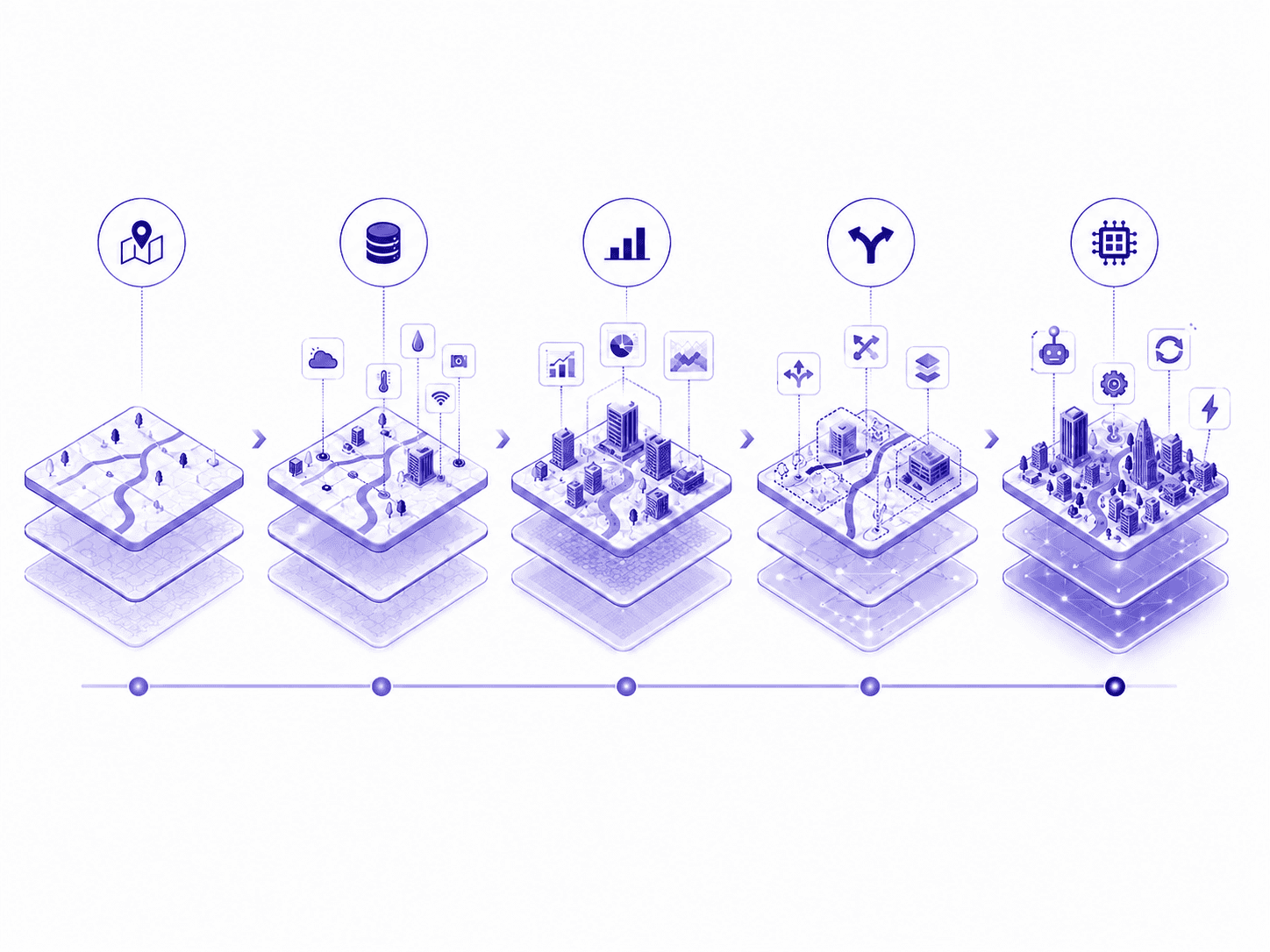
The dataspace, a space of trust for sharing data
A dataspace can be understood as a digital space of trust in which multiple actors agree to share certain data according to common rules.
Unlike a centralized platform that vacuums all data into a single system, the dataspace is based on a more open and sovereign logic. Each actor retains control over their own data. They can decide what information they share, with whom, for what purpose, for how long, and under what conditions of use.
In the case of a territory, this approach is particularly relevant. A local authority, a developer, an energy company, a network operator, a real estate operator, or a consulting firm can all produce useful data. But this data only has collective value when it can dialogue with each other.
A dataspace user therefore shifts from a silo mentality to an ecosystem mentality. It is no longer just about storing data, but about organizing its circulation, qualification, and use within a shared framework.
The token, a digital token at the service of control
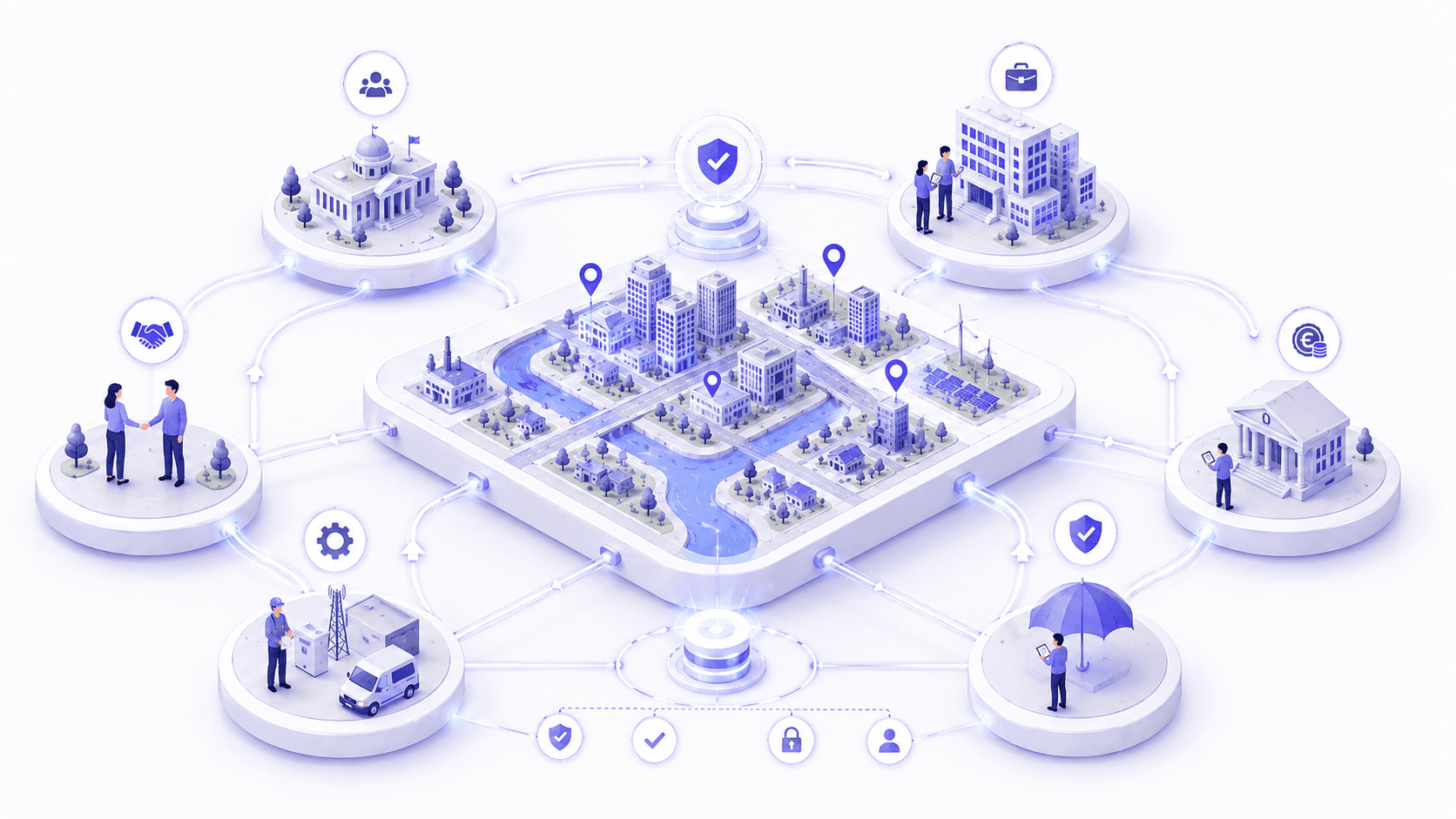
In this context, the token can play a key role. It should not be reduced solely to the idea of cryptocurrency. A token can be seen as a digital token representing a right, a proof, an authorization, or a unit of value linked to a piece of data.
Applied to dataspaces, the token can serve several purposes.
It can represent an access right to specific data. For example, an actor may be authorized to view aggregated energy data, but not sensitive raw data.
It can also be used to track data usage. Who accessed it? At what time? For which project? Within what scope? This traceability becomes essential as soon as the data involves sensitive infrastructure, consumption, usage, or environmental issues.
Finally, the token makes it possible to imagine new models for valuing data. Well-qualified, regularly updated data that is useful to multiple actors can become a digital asset, not in the speculative sense of the term, but in the operational sense: it creates value because it enables better decision-making.
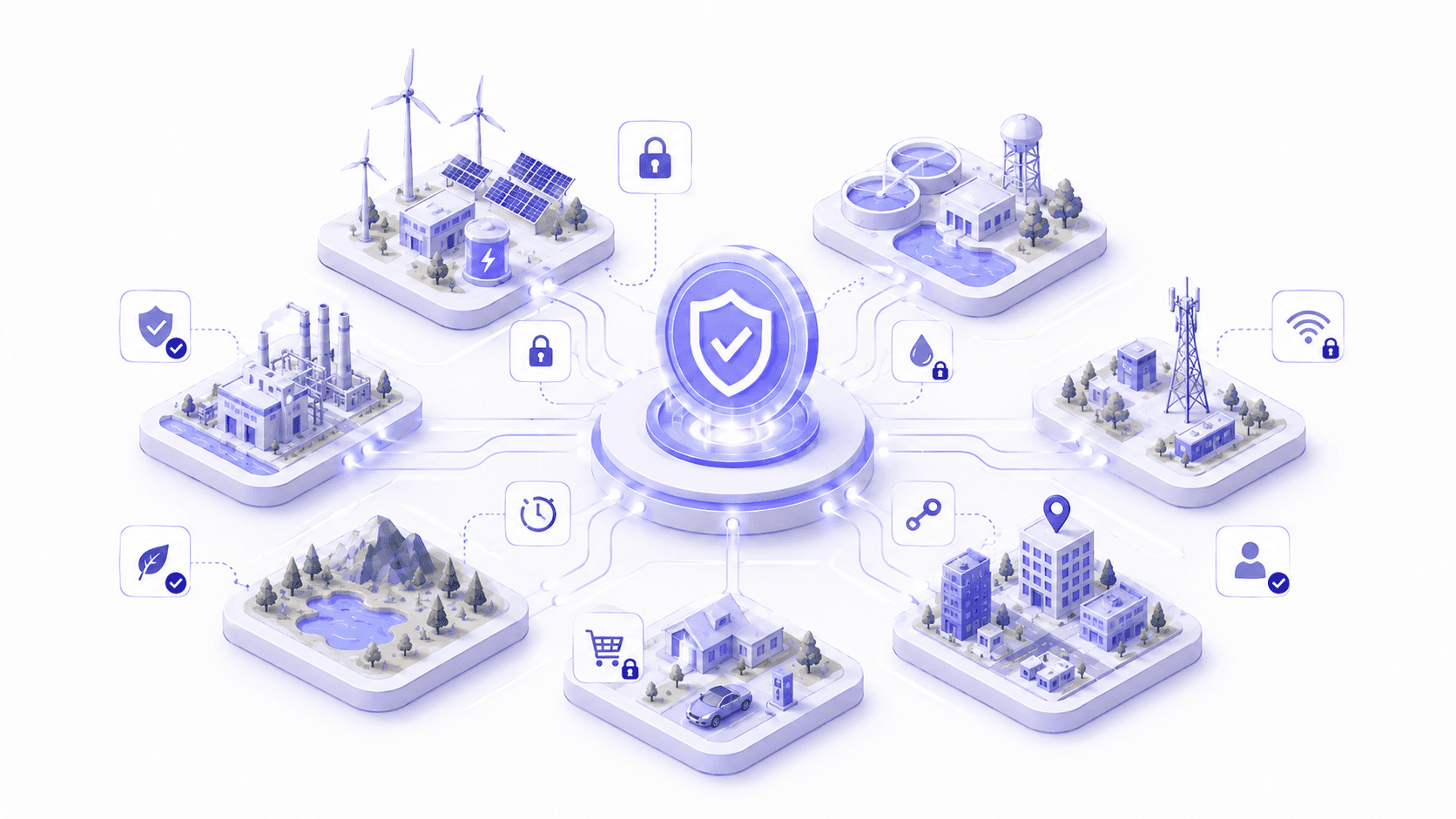
Why These Concepts Matter for Territories
Territories face a double challenge. On one hand, they must make increasingly complex decisions regarding energy, water, climate risks, biodiversity, land use, or mobility. On the other hand, the data required for these decisions is often fragmented, incomplete, or difficult to utilize.
A dataspace can help organize this complexity. It allows the right stakeholders to come together, define common rules, and make data interoperable. Meanwhile, tokens can strengthen trust in these exchanges by providing an additional layer of control, traceability, and proof.
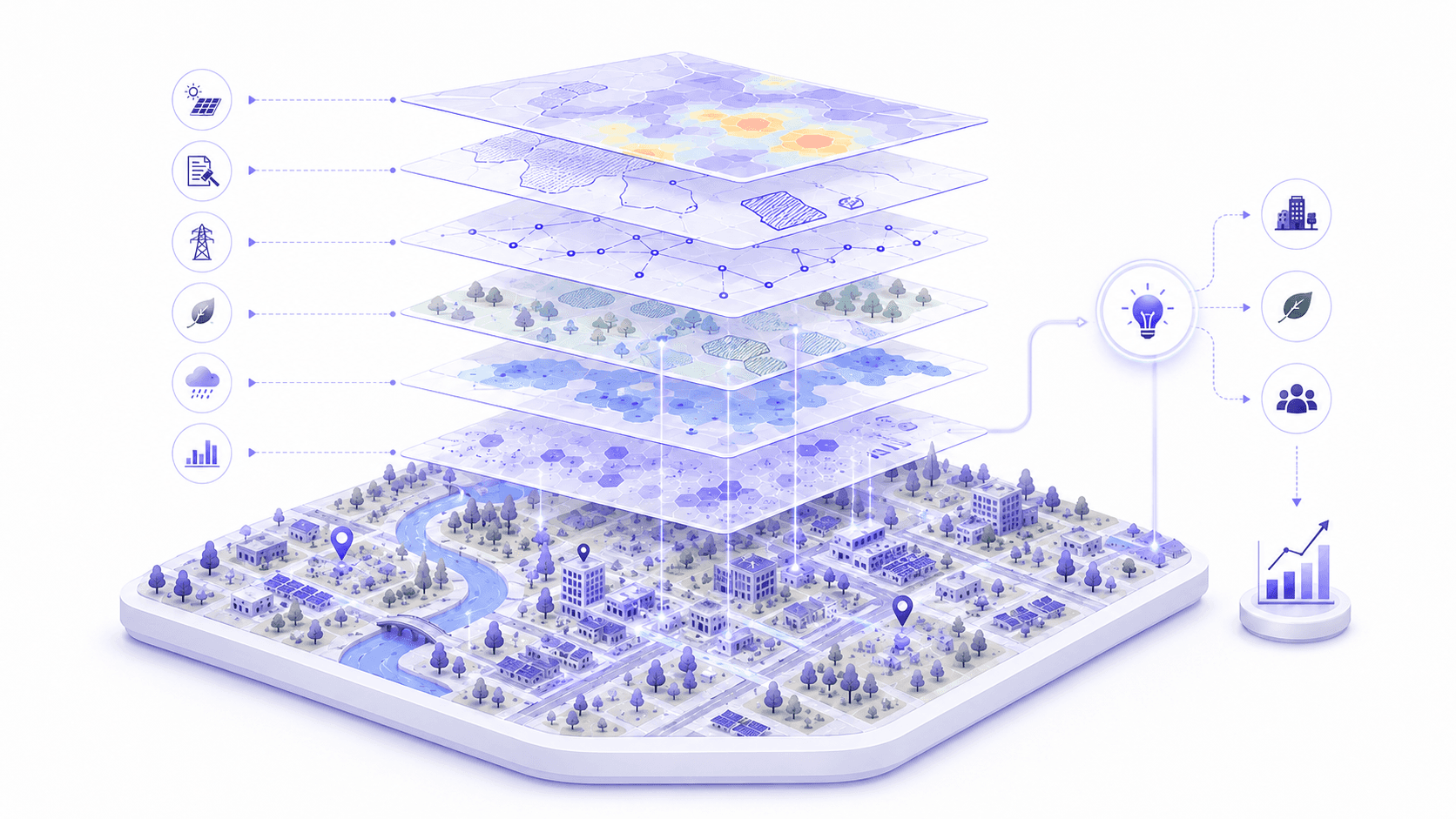
Let's look at a concrete example. To evaluate the solar potential of an area, one must combine cadastral data, building information, regulatory constraints, sunshine data, economic factors, and sometimes grid-related information. No single actor possesses all of this data. The value therefore comes from linking them together.
In a traditional framework, this integration can be slow, one-off, and difficult to replicate. Within a dataspace approach, it can become more fluid, better regulated, and more sustainable. Each contributor retains control over their data, while collective uses become easier to structure.
The Role of the Local Digital Twin
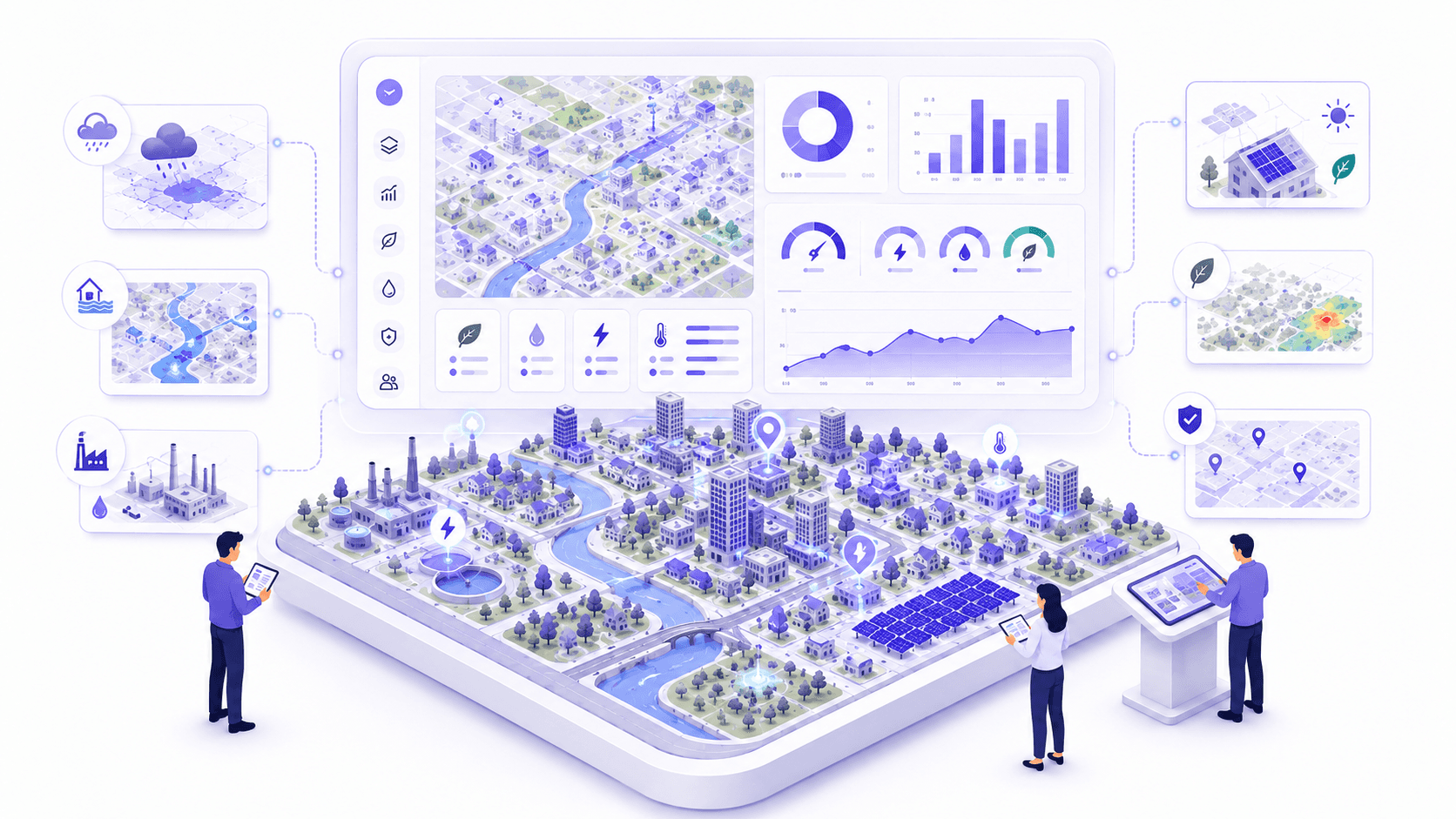
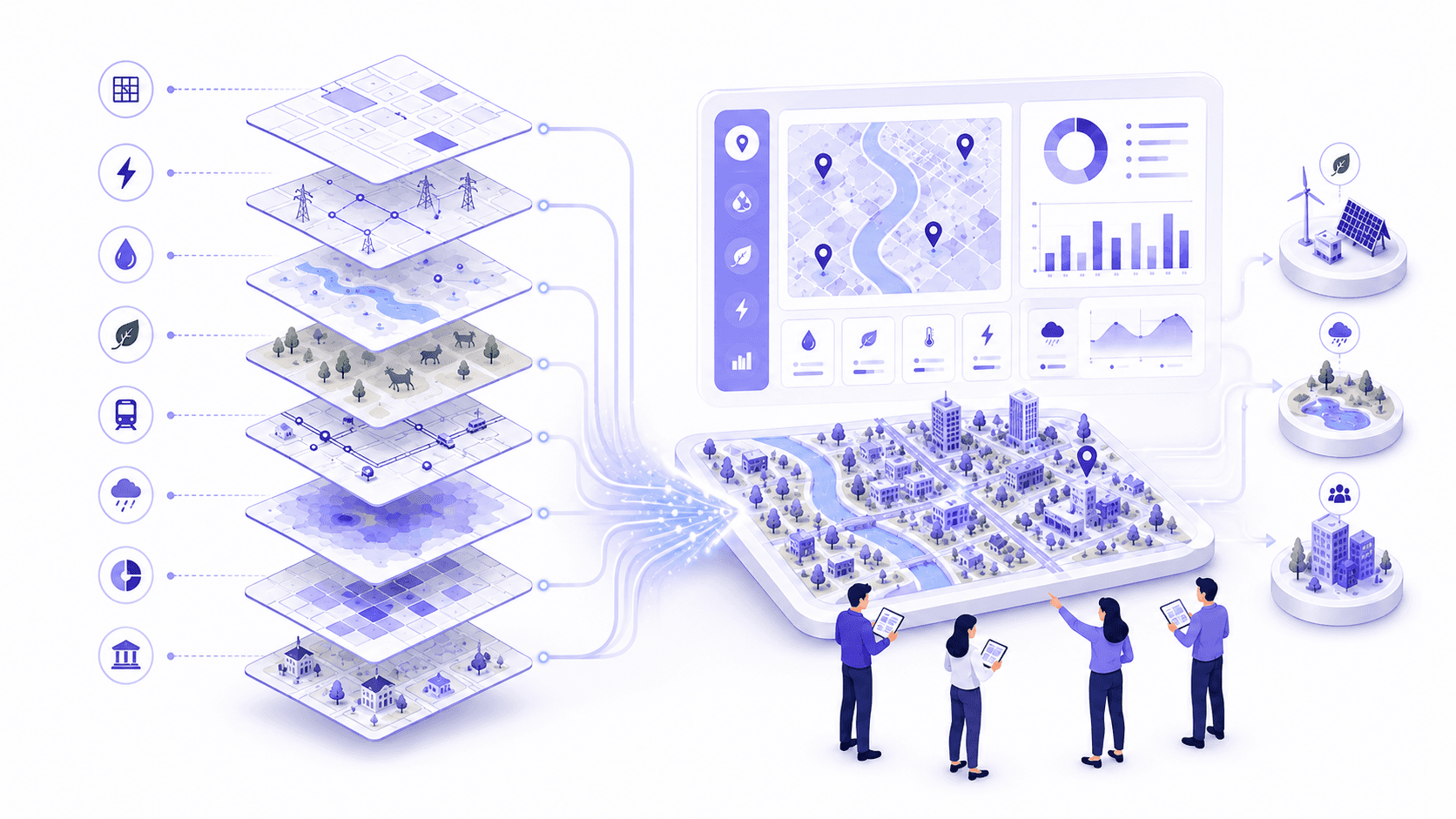
The local digital twin can serve as the operational interface for these new data spaces. It makes information visible, understandable, and actionable—information that would otherwise remain scattered in files, business databases, or isolated technical systems.
With a platform like ThinkCities®, data can be spatially represented, cross-referenced, analyzed, and monitored over time. The digital twin then becomes not only a steering tool, but also a medium for dialogue between public and private stakeholders.
For example, it makes it possible to identify buildings most exposed to a climate risk, compare development scenarios, monitor water or energy consumption, visualize sensitive infrastructure, or evaluate the photovoltaic potential of a property portfolio.
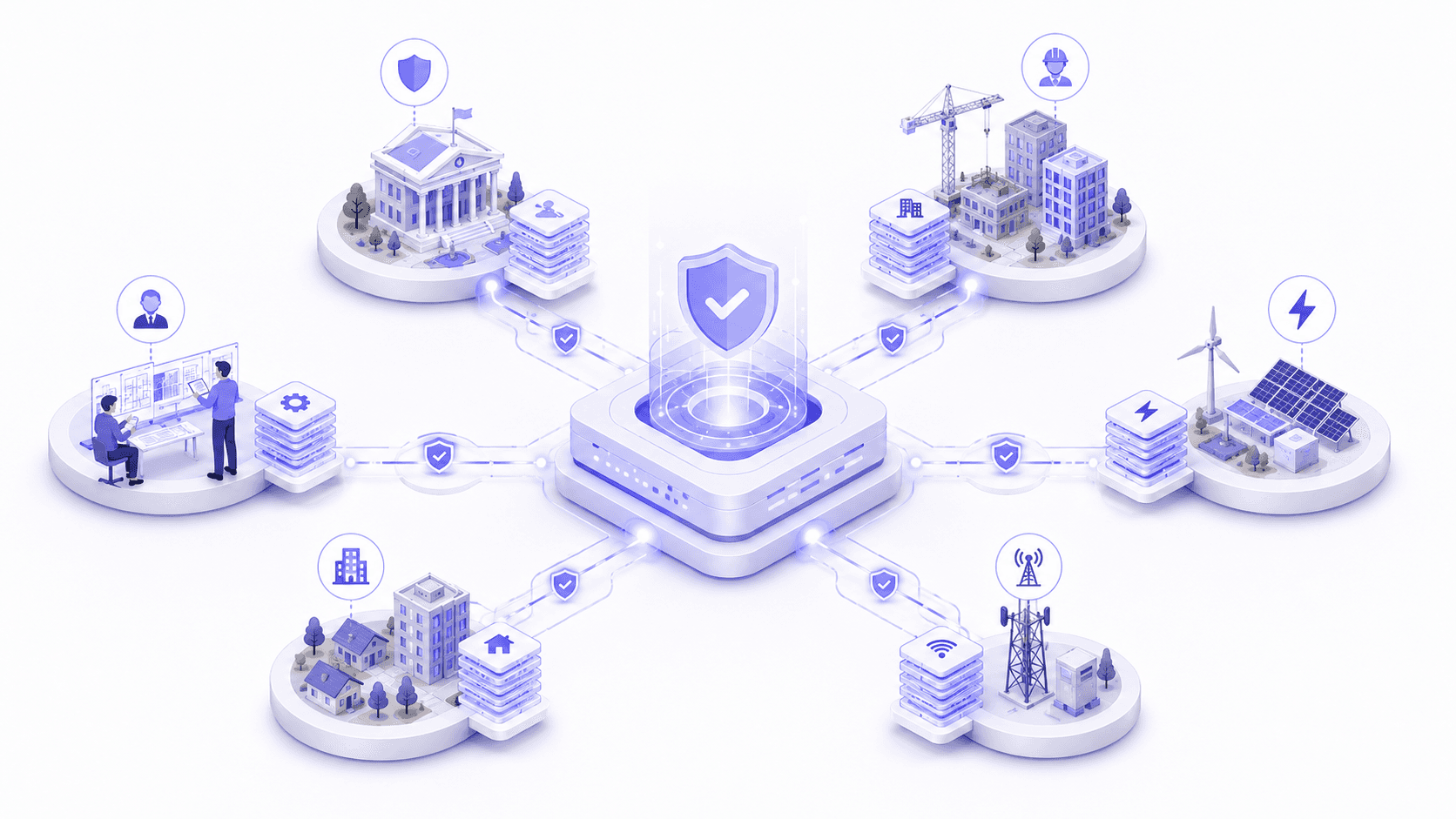
In this logic, the dataspace organizes the sharing rules, the token can secure or trace certain usage rights, and the digital twin transforms data into decision-making.
Towards more useful and better governed data
The challenge is not only technological. It is also strategic.
To successfully achieve the ecological transition, stakeholders must be able to cooperate more without giving up control over their data. Local authorities need reliable data to plan. Private operators need clear frameworks to share certain information. Funders, insurers, and institutional partners need objective data to assess risks, impacts, and priorities.
Dataspaces and tokens thus pave the way for a new data governance. A governance where data is no longer just collected, but qualified, contextualized, tracked, and used in support of common objectives.
For UrbanThinkPlatform, this evolution aligns with a strong conviction: environmental, energy, and territorial data must not remain locked in isolated systems. It must be able to circulate in a controlled manner to inform decisions, accelerate projects, and strengthen the resilience of territories, sites, and heritage.
Conclusion
The concepts of token and dataspace may seem abstract. However, they address very concrete needs: better data sharing, securing exchanges, guaranteeing the traceability of uses, and creating the conditions for more effective cooperation between stakeholders.
Tomorrow, transition projects will not depend solely on the amount of data available, but on our ability to connect, govern, and transform it into useful decisions.
This is the whole challenge of local digital twins: making data a true lever for collective action.