Nov 14, 2025
Recovery and collection of bio-waste: where do we stand by the end of 2025?

An increasingly ambitious regulation
The valorization and collection of bio-waste have become a major issue in waste management in France, supported by the AGEC law and the energy transition law for green growth (LTECV). Since January 1, 2024, the separate collection of bio-waste is mandatory for all major producers (companies, large retailers, communities).
Significant advances in 2025
Deployment of infrastructure: composting and methanation platforms are rapidly developing to process this organic waste, with a +20% increase in the volumes recovered in one year.
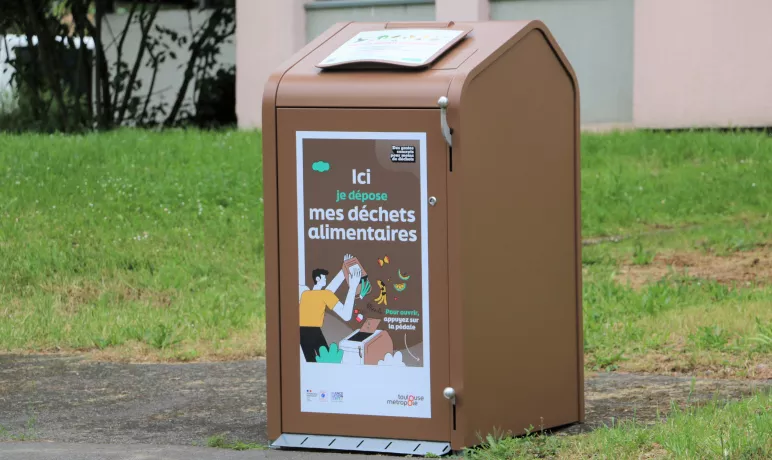
Progressive separate collection: more than 70% of households and 85% of industrial areas now benefit from specific collection, through individual bins or voluntary contribution points.
Increased awareness: information campaigns and digital tools are being deployed to improve the quality of source sorting and mobilize citizens and economic stakeholders.
Challenges and Levers for the Future
The contamination of biowaste with non-organic waste remains a significant barrier to the quality of the compost produced and requires an increase in skills in sorting and control.
The territorial network is still uneven, particularly in peri-urban or rural areas, requiring adapted and innovative approaches.
The digi-tization and centralization of data are among the essential levers for improving management, monitoring, and reporting of performance.
The Role of Digital Solutions
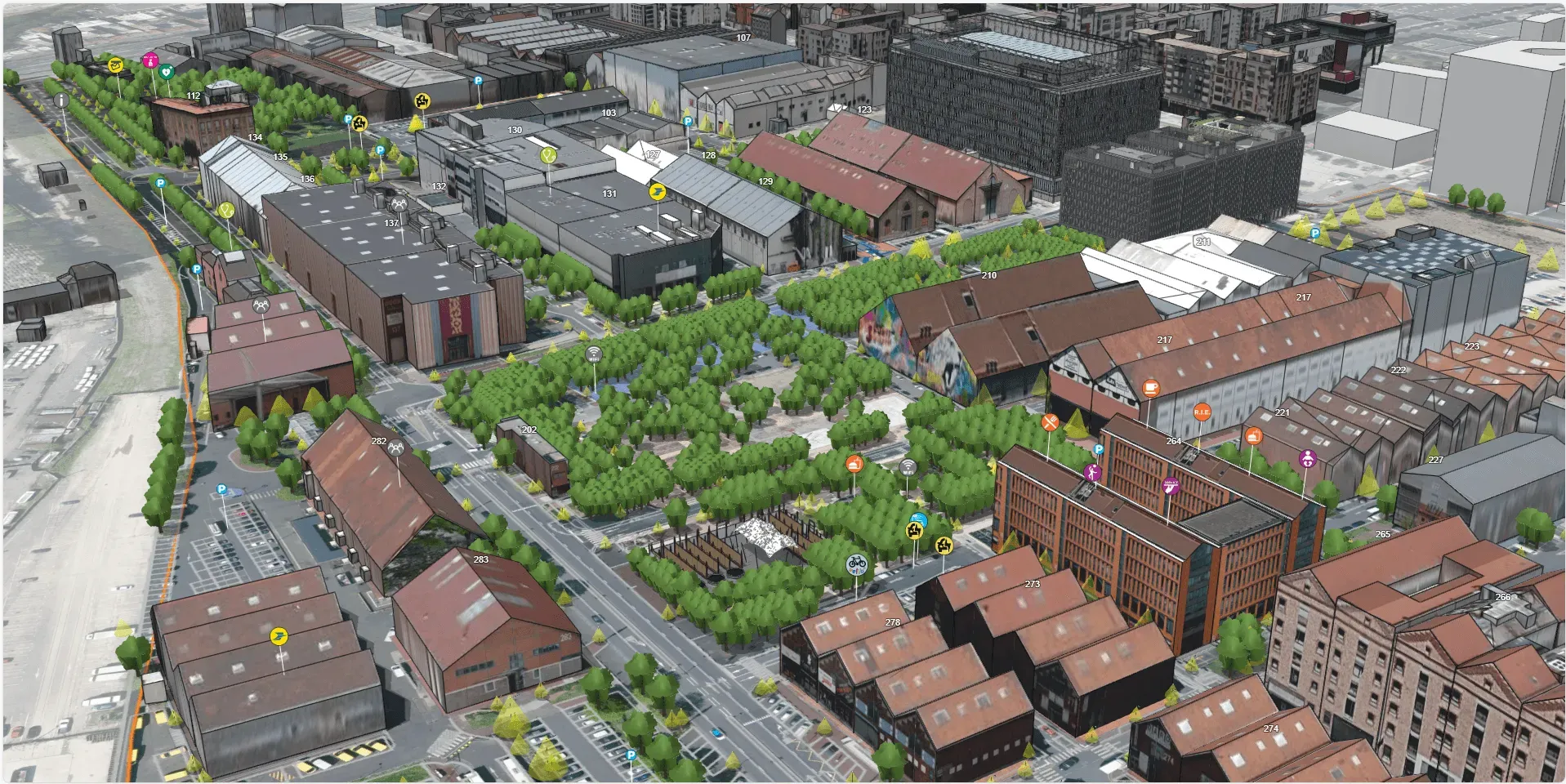
Platforms like ThinkCities allow communities to centralize data related to the collection and recovery of biowaste, track key indicators in real-time, and produce accurate reports to meet regulatory requirements and the expectations of funders.
Conclusion: From Constraint to Strategic Opportunity
The first CSRD exercise reveals a contrasting reality: French companies have a good understanding of their sustainability challenges but struggle to translate this strategic vision into operational and measurable actions.
The three-month delay noted in the publication of CSRD reports (January 2025 instead of April 2024) attests to the complexity of the work being done. But it also reflects a major opportunity: companies that invest now in a centralized governance of environmental data, an automation platform like ThinkCities, and a collective mobilization around the transition will gain a genuine competitive advantage, demonstrable to investors, regulators, and citizens.
For local authorities and asset managers, the lesson is the same: the CSRD and equivalent obligations are not walls to be crossed, but catalysts for sustainable transformation. Structuring environmental data and managing it digitally is primarily about equipping oneself to act efficiently, reduce costs, and demonstrate the real impact of every euro invested in the transition.