Jan 26, 2026
Camping in flood-prone areas: turning a regulatory constraint into an economic opportunity
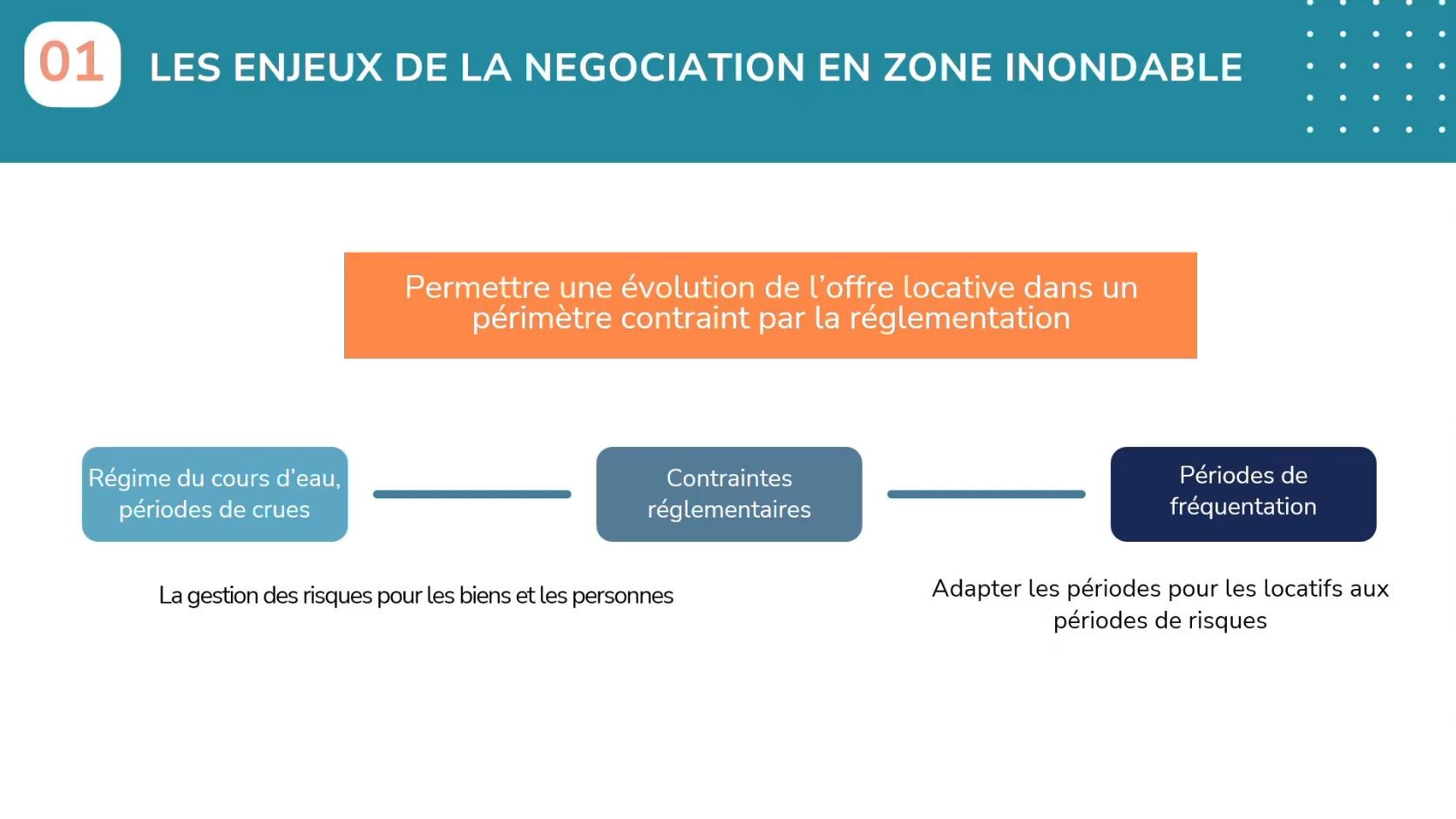
On January 19, 2026, a strategic webinar gathered David Paquet, founder of Cabinet Alliances, and Gwénaëlle Carfantan, leader of UrbanThinkPlatform.
Objective: to help managers of campgrounds located in flood-prone areas to structure a viable project, balancing regulatory requirements, safety of individuals, and economic sustainability.
This article offers a faithful and operational summary of the lessons learned from the webinar, with direct access to the video replay at the end of the reading.
A fragile context for outdoor hospitality
In twenty years, more than 1,350 campgrounds have disappeared in France. This decline is rarely explained by a single factor. It most often results from a cumulative set of vulnerabilities: aging offerings, economic difficulties, increased regulatory pressure, and lack of flexibility to adapt sites.
Campgrounds exposed to flood risks crystallize these difficulties. Many operators find themselves facing an apparent deadlock: how to invest, modernize, and secure their activity when the land is constrained by a PPRi?
The central message of the webinar is clear: a campground in a flood zone is not doomed. Provided that one changes posture and moves from a defensive logic to a well-argued project logic.
Why this webinar is crucial for concerned managers
Being located in a flood zone today implies much more than simple regulatory compliance. It requires rethinking the entire operation model.
A manager must precisely be able to:
demonstrate that they precisely understand the risks to which their site is exposed,
adapt their accommodation offer to the constraints of dismantling and evacuation timelines,
secure their operational processes (anticipation, alert, dismantling, evacuation),
dialogue with state services based on factual and quantified elements,
present a project that is economically credible, ensuring the site's sustainability.
The webinar provides a structured method, decision-making tools, and concrete feedback experiences to overcome these steps.
Two complementary expertise for a realistic vision
David Paquet – Cabinet Alliances
A consultant and coach in tourism engineering for over 25 years, David Paquet supports stakeholders in Outdoor Hospitality throughout the lifecycle of their projects: creation, repositioning, relaunching, and economic optimization. His approach is resolutely focused on business model, offer attractiveness, and operational feasibility.
Gwénaëlle Carfantan – UrbanThinkPlatform
A specialist in environmental risk assessment and climate adaptation of tourist sites, Gwénaëlle Carfantan provides a technical and strategic interpretation of regulatory constraints. Her work involves transforming complex data (risks, vulnerability, scenarios) into concrete decision-making tools, serving operators and authorities.
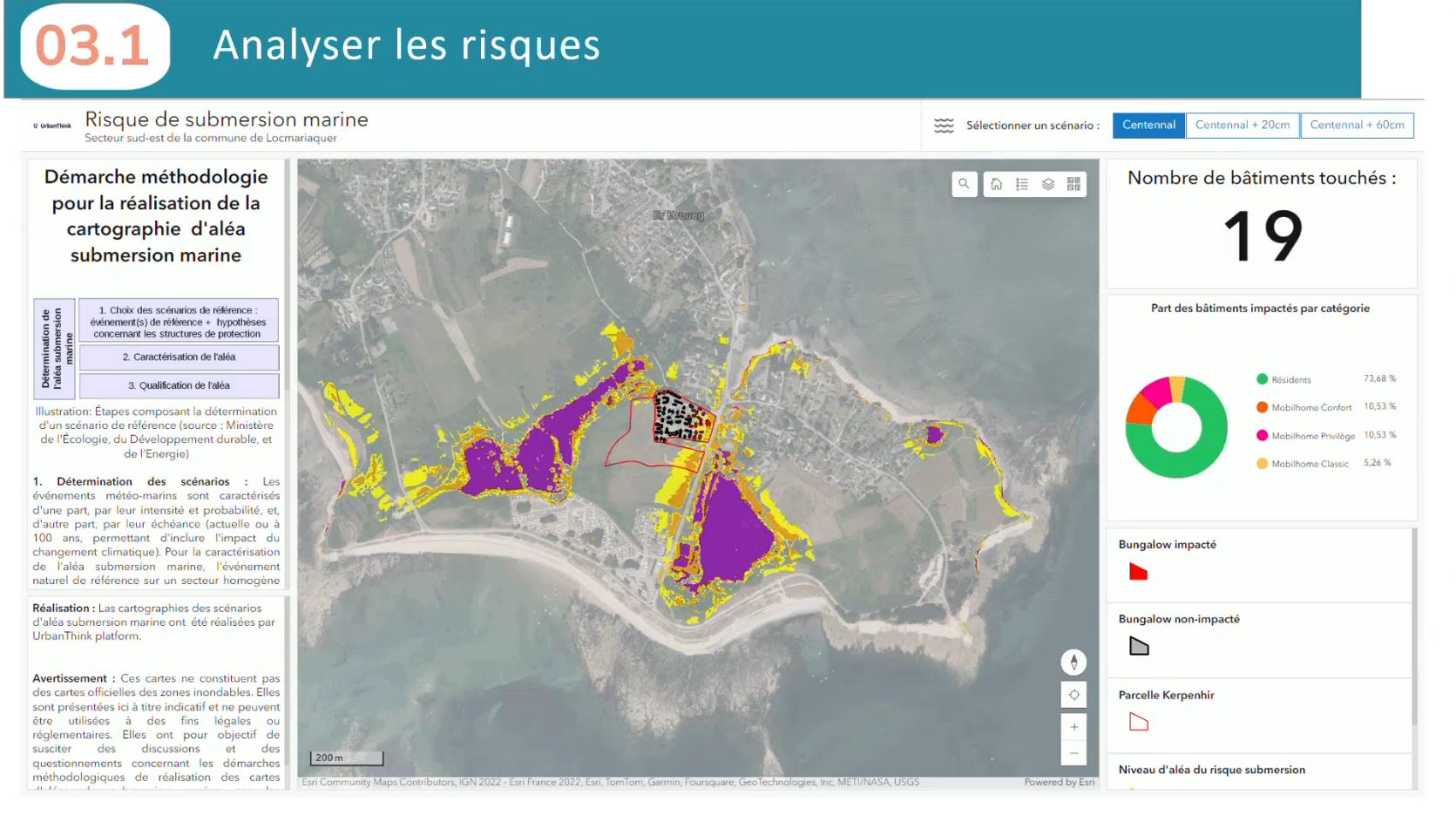
Flood zones: what the regulations really say
One of the major contributions of the webinar is to clarify the existing room for maneuver, often poorly understood by managers.
The possibilities presented concern campsites located along bodies of water with a warning period greater than 24 hours, which represents the majority of situations in France.
The regulations clearly prohibit certain establishments, notably lightweight recreational accommodations in high-risk areas or non-movable permanent structures.
On the other hand, it authorizes — under strict conditions defined by the PPRi — suitable solutions: demountable accommodations, mobile recreational residences, lodges, tents, tiny houses on wheels, or demountable cabins.
The key point is therefore not just the type of accommodation, but the demonstrated ability of the manager to anticipate and evacuate. This involves:
active monitoring (e.g., Vigicrues),
formalized alert scenarios,
an organization capable of dismantling equipment within a timeframe of less than 24 hours.
A common-sense element is also highlighted: periods of hydrological risk are often not very compatible with periods of high tourist activity, without ever being exempt from being prepared.
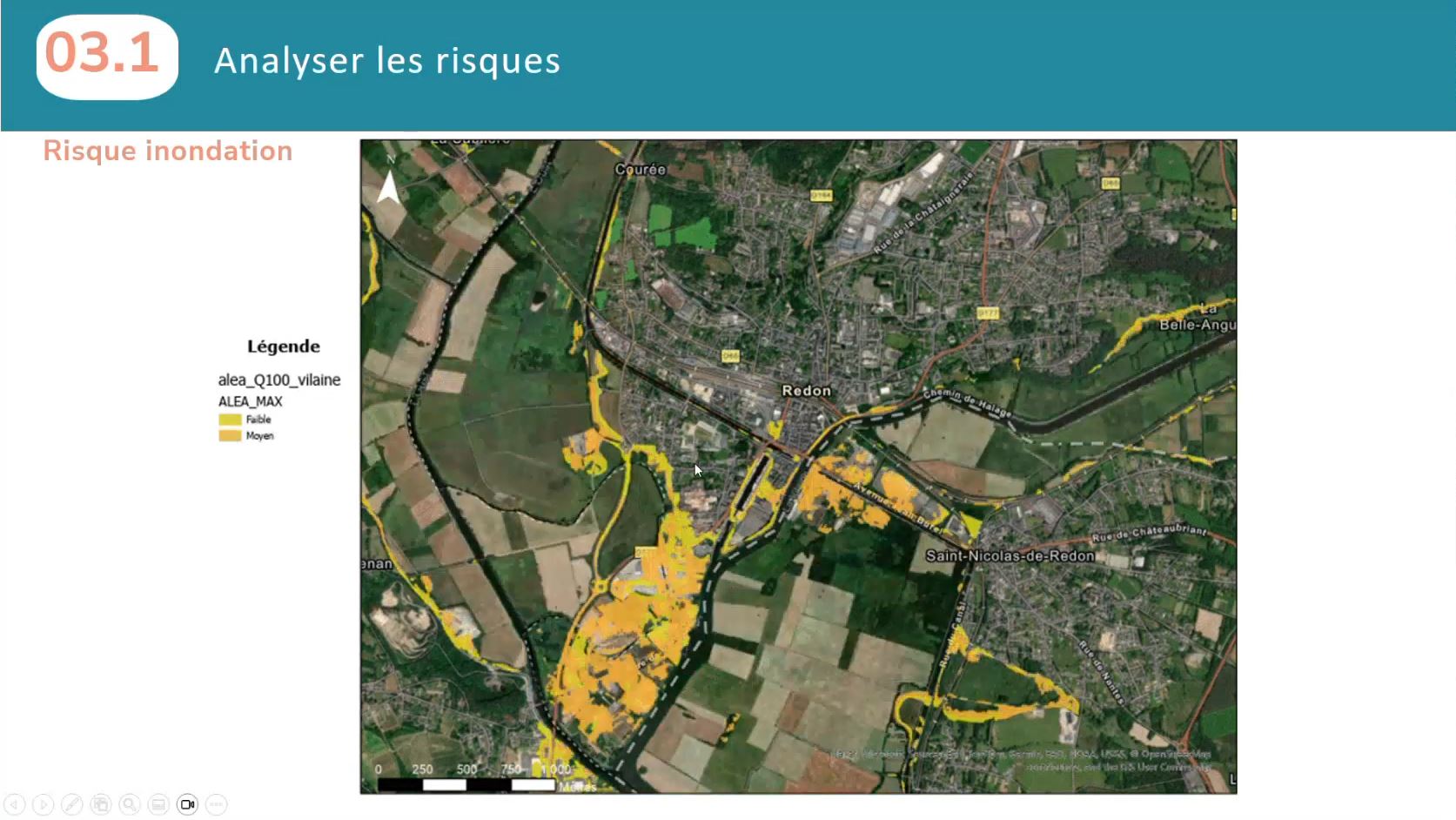
Concrete case: from a threatened campsite to an economically viable project
The webinar is based on a real case, analyzed step by step.
The approach begins with a detailed flood risk analysis: concerned periods, amplitudes, impacted areas of the campsite, and a review of exceptional floods that occurred during the operating period.
On this basis, an adaptation strategy is built:
placement of accommodations in the least exposed areas,
selection of removable rentals consistent with the positioning of the campsite,
precise evaluation of dismantling time by rental type,
calculation of human and material needs to dismantle the entire site in 7 to 12 hours.
These elements then become central negotiation arguments with state services. The dialogue no longer relies on intentions but on the actual ability of the manager to mobilize resources, while ensuring the safety of individuals and the economic viability of the site.
Economic objective
Depending on the strategic choices made, this approach allows for an increase in revenue ranging from 50% to 200%, and to reach or exceed the break-even point in the long term.
What managers can implement concretely
At the end of the webinar, a clear roadmap emerges. It is based on a few essential pillars:
precisely analyze the specific risks and constraints of their site,
build a defendable and documented project to present to the authorities,
choose accommodations suitable for actual evacuation times,
define a seasonal operating plan consistent with the risk periods,
structure a solid and credible negotiation file,
secure the economic model of the campsite sustainably.